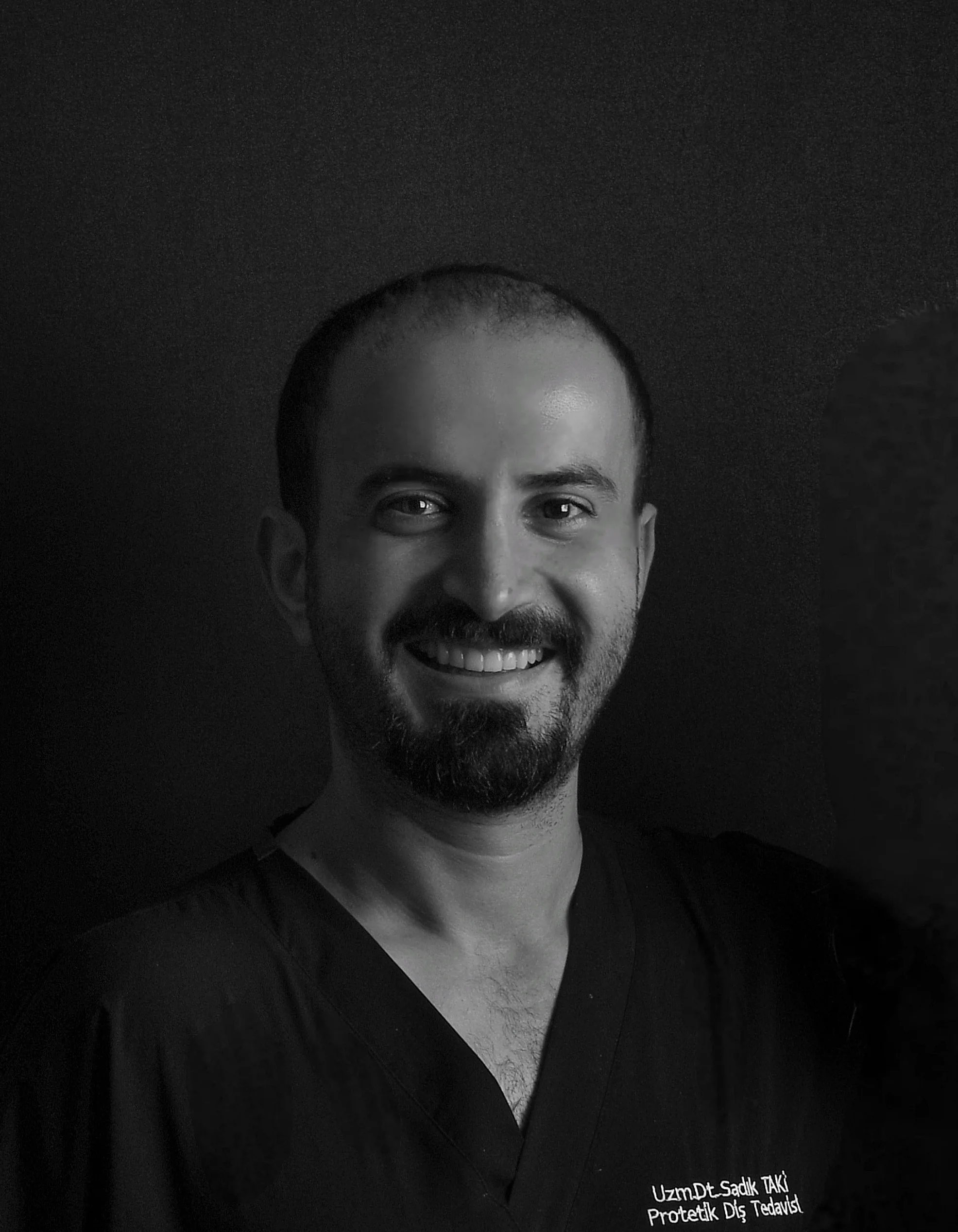
I am asked regularly by UK patients — sometimes with a degree of defensiveness — whether they should trust a Turkish clinic. The honest answer is that Turkey has some of the most well-equipped, highly trained dental clinicians in Europe, and it also has clinics that offer sub-standard care at price points that should, on reflection, be a warning sign rather than a selling point. At Taki Dent, we welcome scrutiny — because patients who ask the right questions generally find the answers reassuring.
The Turkish Regulatory Framework
Dental practice in Turkey is regulated by the Turkish Dental Association (Türk Diş Hekimleri Birliği — TDB) and overseen by the Ministry of Health. All practising dentists must hold a TDB registration number, which is publicly verifiable. Dental qualifications are issued by state universities following a five-year undergraduate programme plus specialist training where applicable.
Specialist status — including Prosthodontics, Oral and Maxillofacial Surgery, Orthodontics, and Periodontology — requires an additional competitive examination-based postgraduate training programme of three to five years, equivalent to a certificate or Master's level qualification. My own postgraduate training in Prosthodontics at Ankara University, followed by academic appointments at Osmangazi and Medipol universities, is registered with the TDB and publicly verifiable.
JCI Accreditation: What It Is and Isn't
Joint Commission International (JCI) accreditation is frequently cited in dental tourism marketing and deserves some nuance. JCI accredits hospitals — primarily the large hospital dental departments and full-service medical centres. The majority of standalone dental clinics, including Taki Dent, operate under Turkish Ministry of Health clinical standards rather than JCI accreditation.
This does not represent a quality gap. JCI accreditation primarily addresses hospital-wide governance, infection control systems, and administrative processes across medical departments. A small, specialist dental clinic with robust internal protocols, qualified clinicians, and CE-marked equipment can and does meet the same clinical quality benchmarks without a JCI certificate. What matters practically to a patient is not the accreditation badge but the specific practices: sterilisation protocols, implant system provenance, and clinical qualifications.
Implant System Provenance: The Most Important Question
The implant market is loosely regulated globally, and Turkey is no exception. There are validated, CE-marked implant systems backed by decades of clinical trial data, and there are low-cost imitations that share the same external dimensions but have different surface chemistry, metallurgical purity, and biomechanical testing histories.
At Taki Dent, we use only established, internationally validated implant systems. The provenance of every implant system I use can be confirmed on request — including the CE marking, ISO certification, and clinical evidence base. UK patients should always ask their Turkish clinic the following question before booking:
"Which implant brand and model will you be placing, and can I see the CE certificate?"
Any clinic that cannot or will not answer this question clearly should be avoided. The implant that goes into your bone will be there for the rest of your life. Its provenance matters.
Sterilisation and Infection Control
Class B autoclave sterilisation — using steam under pressure, validated against EU standard EN 13060 — is the minimum acceptable standard for dental instruments. At Taki Dent, all surgical instruments undergo Class B autoclave sterilisation with cycle validation records. Single-use items are used once and discarded; they are not re-sterilised.
The sterilisation cycle for surgical instruments involves three phases: pre-vacuum (to evacuate air and ensure steam penetration), sterilisation at 134°C for 18 minutes, and a drying phase. Biological indicators are used periodically to validate cycle efficacy. UK patients are welcome to ask to see our sterilisation unit during their initial visit.
The Qualifier Question: Comparing UK and Turkish Standards
The General Dental Council (GDC) in the UK sets the standards framework that governs UK dental practice. EU-trained dentists practising in Turkey have been educated to equivalent undergraduate standards — Turkey's dental faculties, including Ankara University where I trained, are recognised internationally and produce graduates at the same level as EU dental schools.
Where Turkish and UK practice most meaningfully diverge is in the volume-to-clinician ratio. A UK NHS practice may see 30–40 patients per day across multiple surgeries. A high-quality private Turkish clinic typically runs fewer, more focused appointments with longer clinical time per patient. This is a structural advantage for complex, multi-stage treatments like All-on-4, full mouth reconstruction, and implant-retained prosthetics.
What Good Dental Tourism Looks Like in Practice
Turkey produces genuinely excellent dental outcomes for UK patients when they choose clinics that meet these criteria. The cost differential — typically 50–70% lower than equivalent private UK treatment — is real, and it reflects differences in overhead, labour costs, and currency exchange rates, not differences in clinical standards at reputable clinics.